
Mastering Agility and Vitality
A comprehensive guide to sustaining physical capability and well-being throughout life
A comprehensive guide to sustaining physical capability and well-being throughout life
Consistent movement forms the cornerstone of maintaining physical capabilities as we age. Regular activity throughout daily life contributes to sustained mobility, balance, and overall physical resilience. Movement is not limited to structured exercise; it encompasses the full spectrum of daily activities that keep the body engaged and adaptive.
Flexibility practices form an essential component of maintaining physical capability throughout life. Regular stretching and mobility work preserve the body's range of motion, reduce muscular tension, and support posture maintenance.
Flexibility in hips, knees, and ankles supports mobility and balance
Shoulder and arm flexibility enables everyday functional movements
Spinal mobility and core engagement support posture and stability
Overall flexibility contributes to proprioceptive awareness
A balanced nutritional approach supports structural integrity throughout life. Certain minerals play foundational roles in maintaining bone density and overall skeletal health. Understanding these essential nutrients and their food sources contributes to informed dietary choices.
| Mineral | Primary Functions | Dietary Sources | Daily Importance |
|---|---|---|---|
| Calcium | Primary mineral constituent of bone structure | Leafy greens, dairy products, fortified alternatives, seeds | Foundational for skeletal maintenance |
| Magnesium | Supports mineral metabolism and muscular function | Nuts, seeds, whole grains, leafy vegetables, legumes | Supports calcium utilization |
| Vitamin D | Regulates mineral absorption and immune function | Fatty fish, egg yolks, mushrooms, sunlight exposure | Critical for nutrient absorption |
| Phosphorus | Works with calcium in bone formation | Fish, poultry, eggs, dairy, nuts, whole grains | Complements calcium metabolism |
| Zinc | Supports bone-building cell activity | Shellfish, beef, pumpkin seeds, chickpeas | Essential micronutrient for structure |
| Iron | Supports collagen formation and oxygen transport | Red meat, legumes, fortified grains, dark leafy greens | Important for bone matrix integrity |
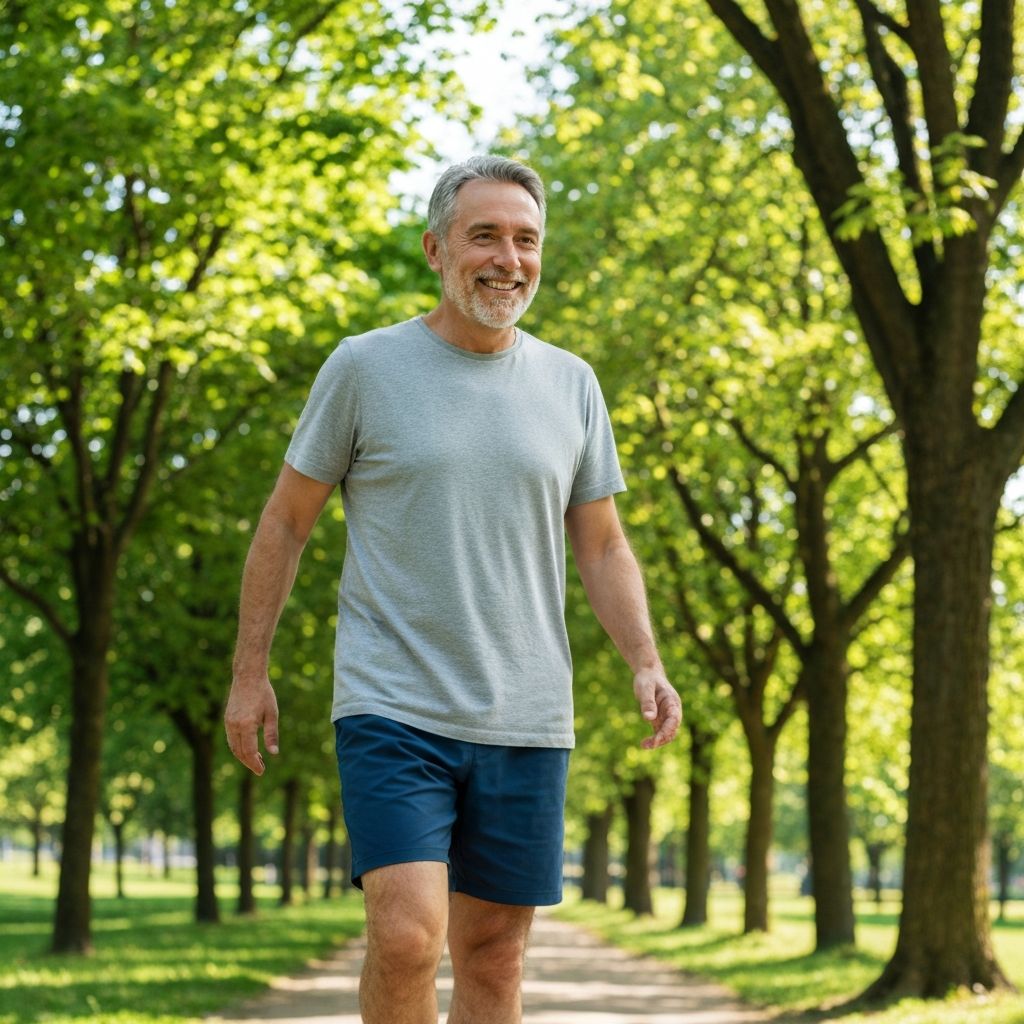
As the body matures, certain physical shifts naturally occur. These changes are part of the human experience across cultures and time periods. Understanding what these changes entail enables informed, proactive approaches to maintaining capability and vitality.
Rather than viewing these shifts as obstacles, recognizing them as normal aspects of human development allows for intentional lifestyle choices that support ongoing physical function and well-being.
Psychological outlook and physical vitality are deeply interconnected. A positive, growth-oriented mindset contributes to sustained motivation for active living and healthy choices. Conversely, engaging in consistent physical activity supports mental clarity, emotional resilience, and psychological well-being.
Regular movement supports cognitive function, memory, and mental focus throughout life.
Physical activity contributes to mood regulation and emotional stability.
Active engagement with life fosters purpose, connection, and a sense of vitality.
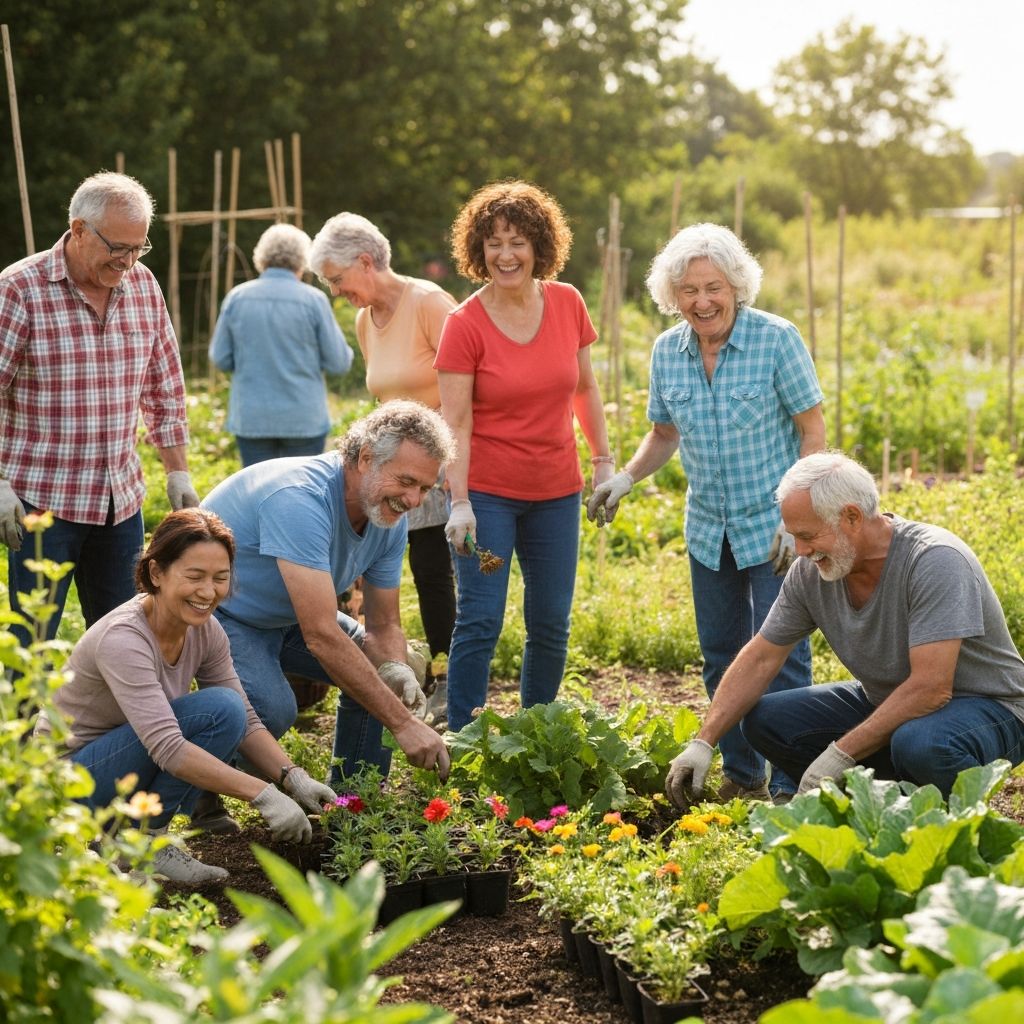
Social connection and community participation form vital components of holistic well-being. Engaging with others in shared activities—whether walking groups, hobby clubs, or educational workshops—provides both physical and psychological benefits.
Community engagement fosters accountability, motivation, and a sense of belonging. It transforms individual efforts into shared experiences, making active living more sustainable and enjoyable.
Sustainable vitality emerges through consistent, everyday choices rather than intensive interventions. Small, deliberate actions compound into significant impacts on physical capability and well-being over time.
Flexibility refers to the range of motion available in joints and muscles. Agility describes the ability to move quickly and change direction with control. While related, they are distinct qualities. Flexibility is one component that supports agility, along with strength, balance, and proprioceptive awareness. Both can be maintained and developed throughout life through consistent practice.
Consistency is more beneficial than intensity. Light flexibility work performed daily, even for 10-15 minutes, generally yields better results than occasional intense sessions. Many people find that incorporating gentle stretching into their morning or evening routine becomes a sustainable habit. Individual needs and capabilities vary, so adjusting frequency and duration to personal circumstances supports long-term engagement.
Yes. The human body retains significant capacity for adaptation throughout life. Habits established at any age can positively influence physical capability, mental function, and overall well-being. Starting new practices later in life may require patience and gradual progression, but meaningful improvements in mobility, strength, and vitality can be achieved through consistent effort and appropriate activity selection.
Minerals support numerous physiological functions. Calcium and magnesium are essential for muscle function and nervous system signaling. Iron carries oxygen throughout the body. Zinc supports immune function and healing. Phosphorus works with calcium in energy metabolism. A balanced diet providing varied mineral sources supports not only skeletal integrity but cardiovascular health, muscular function, immune resilience, and overall metabolic function.
Mental and physical health are interdependent. Cognitive engagement through learning, creative pursuits, and problem-solving supports neural plasticity and brain health. Mental well-being influences motivation for physical activity and healthy choices. Conversely, physical movement enhances cognitive function, mood, and psychological resilience. A holistic approach that engages both mind and body typically yields the most sustainable results for lifelong vitality.
The optimal time is always now. While preventive approaches begun earlier in life may offer certain advantages, meaningful improvements in vitality, capability, and well-being can be achieved at any stage. The body's capacity for adaptation and improvement is remarkable. Whether at 40, 60, or 80, consistent practice of movement, nutritional awareness, and social engagement produces observable positive changes in physical function and quality of life.
Explore more insights and detailed articles on maintaining vitality and active living throughout life.
Explore More ArticlesMireco is an independent informational resource. The materials on this site are for informational purposes only. They do not constitute individual recommendations and reflect the variety of approaches in everyday life. This content is not a substitute for personal decisions or professional advice.