Breathing Techniques for Relaxation and Physical Ease
Simple breathing practices that support relaxation and contribute to a sense of physical well-being
The Breath as a Bridge Between Mind and Body
Breathing is unique among bodily functions—it occurs automatically, yet we can also consciously control it. This makes the breath a powerful tool for influencing nervous system states and overall well-being. When we experience stress or tension, breathing patterns typically become shallow and rapid. Conversely, when we consciously shift toward slower, deeper breathing, the nervous system receives signals that promote relaxation and ease.
The connection between breathing patterns and nervous system state is bidirectional. Deliberate changes in breathing can shift our physiological state and emotional experience. This offers an accessible practice for supporting relaxation and physical ease whenever it's needed—whether during moments of stress, before sleep, or simply as a general wellness practice.
Slow, Deep Breathing Practice
One of the simplest breathing techniques involves consciously slowing your breathing and deepening it. This can be practiced anywhere—while seated, lying down, or even while walking. Begin by exhaling fully, allowing your abdomen to relax. Then inhale slowly through your nose, allowing your belly to expand rather than just your chest. The inhalation should take about 4-5 seconds. Hold the breath gently for 1-2 seconds, then exhale slowly for about 5-6 seconds, allowing the exhalation to take slightly longer than the inhalation.
Repeating this pattern for 3-5 minutes creates a powerful relaxation response. The longer exhalation is particularly important—it activates the parasympathetic nervous system, which promotes relaxation. Even brief practice of this technique can reduce physical tension and mental agitation, making it a valuable tool for managing daily stress.
Box Breathing Technique
Box breathing is a simple rhythmic technique that organizes breathing into equal counts. Inhale for a count of 4, hold for a count of 4, exhale for a count of 4, and hold empty for a count of 4. Repeat this cycle 5-10 times. The numerical structure helps occupy mental attention while the regular rhythm creates a meditative effect. Many people find the symmetry and predictability of box breathing particularly soothing.
This technique is particularly useful when mental chatter or worry feels prominent. The mental engagement required to maintain the count naturally draws attention away from anxious thoughts, while the breathing pattern itself promotes physiological relaxation.
Alternate Nostril Breathing
Alternate nostril breathing involves breathing through one nostril, then the other, in a deliberate pattern. Sitting comfortably, use your right thumb to gently close your right nostril and inhale through your left nostril. Then close your left nostril with your right hand's middle finger and exhale through your right nostril. Inhale through the right nostril, close it, and exhale through the left. Continue alternating for 5-10 minutes. This practice is believed to balance nervous system functioning and create a sense of calm and clarity.
The technique also encourages full, deep breathing and brings focused attention to the breath itself, creating a meditative effect. Many practitioners report that alternate nostril breathing leaves them feeling more centered and balanced.
Breath-Linked Movement
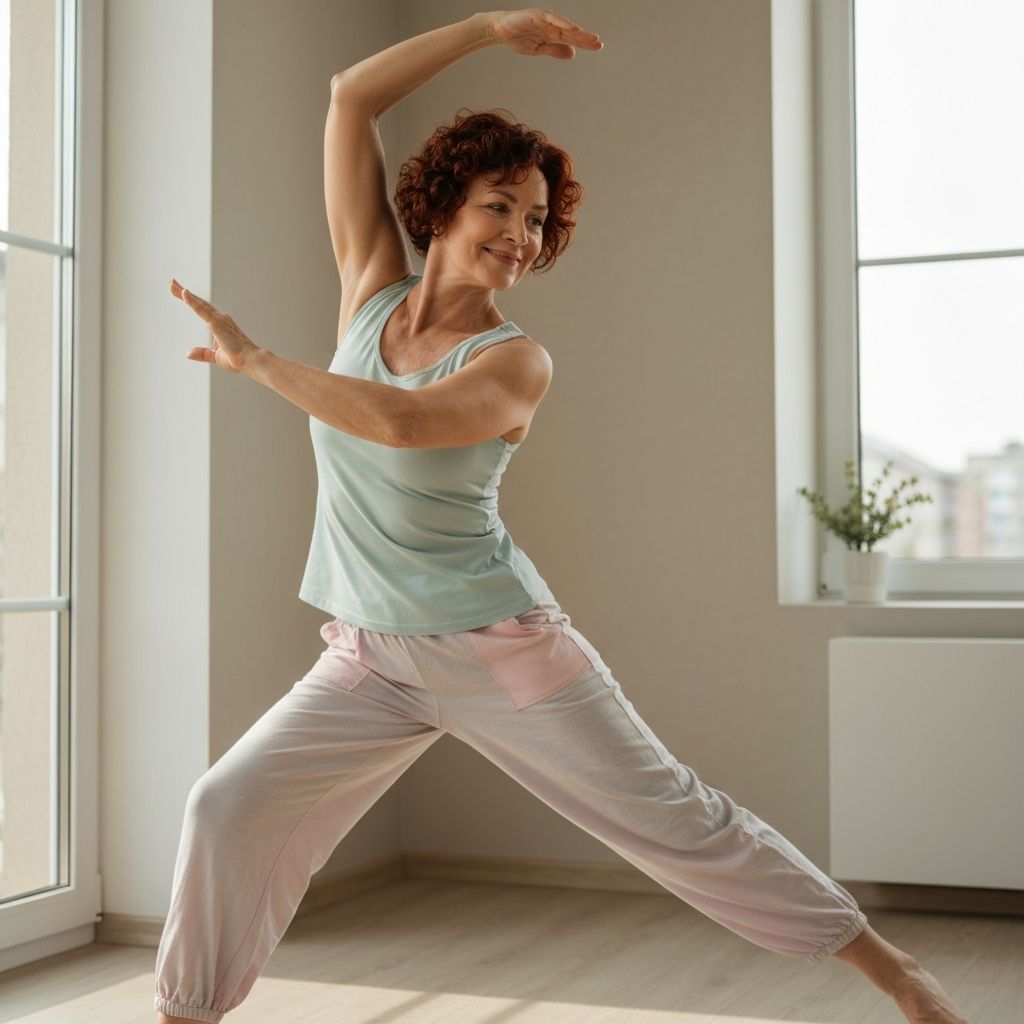
Coordinating breath with deliberate movement creates a synergistic effect where the breathing and movement together promote relaxation and ease. For instance, gentle stretching can be synchronized with breathing—inhaling as you extend a stretch, exhaling as you relax into it. Walking can be coordinated with a breathing rhythm—perhaps inhaling for four steps and exhaling for four steps.
This integration of breath and movement creates a meditative quality to the activity and often results in deeper relaxation than either practice alone. It also helps anchor attention in the present moment, supporting overall well-being and mental clarity.
Practical Integration Into Daily Life
These breathing techniques don't require special equipment or significant time commitment. Brief sessions of 3-5 minutes can be integrated into daily routines—before starting work, during transitions between activities, before sleep, or whenever you notice physical tension or mental agitation. Many people find that even brief breathing practices provide noticeable benefits.
Consistency is more valuable than intensity. Regular, brief practice often produces better results than occasional intense sessions. Beginning with simple, slow, deep breathing and gradually exploring other techniques allows you to discover which practices are most beneficial for your individual needs and preferences.
Key Takeaway
Simple breathing techniques offer accessible, powerful practices for promoting relaxation and physical ease. By consciously engaging with breath patterns, you can shift your nervous system state, reduce tension, and cultivate a greater sense of calm and well-being. These practices can be integrated into daily life with minimal time or resources required.